
Dancing with Elephants and Finding Balance
Where does a 5-ton elephant eat? Anywhere it wants to, including the fields of small farmers. Elephant incursions on small farms have often provoked violent attacks by humans protecting their livelihood, which often spurs counterattacks by elephants fighting for their own lives and families. The result: death all around.
This episode looks at creative actions in Assam, India, where violent blows between species are being replaced with a pragmatic intentional balance that allows elephants and humans to both thrive.
In the competitive process of being alive on Earth (even plants compete), it’s easy to lose sight of the competitive advantages that come from simple caring and cooperation. The preponderance of evidence shows that applied empathy can yield a form of wealth that neither gold nor Bitcoin can buy. It’s certainly making a positive difference in northeast India.
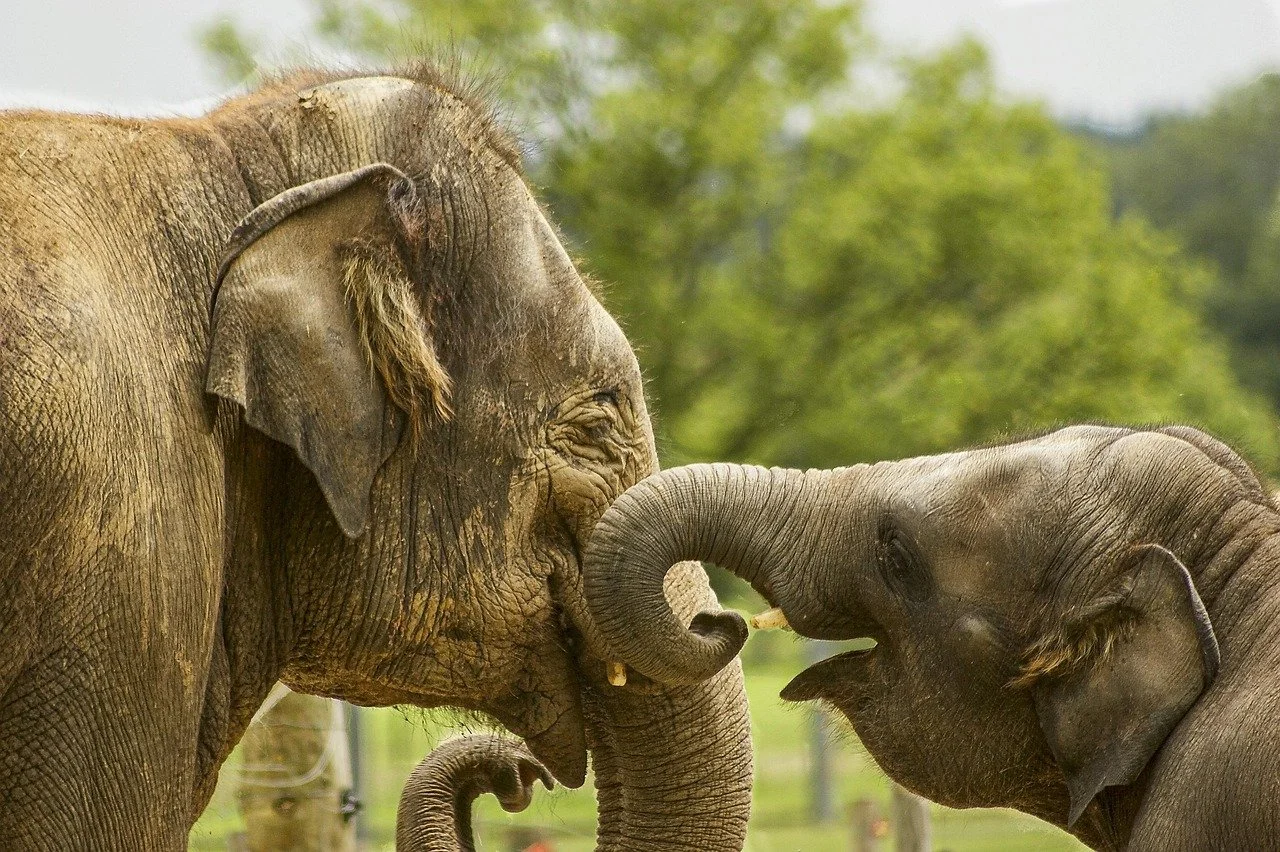
A baby Indian elephant nuzzles its mothers trunk. (Pixabay photo)
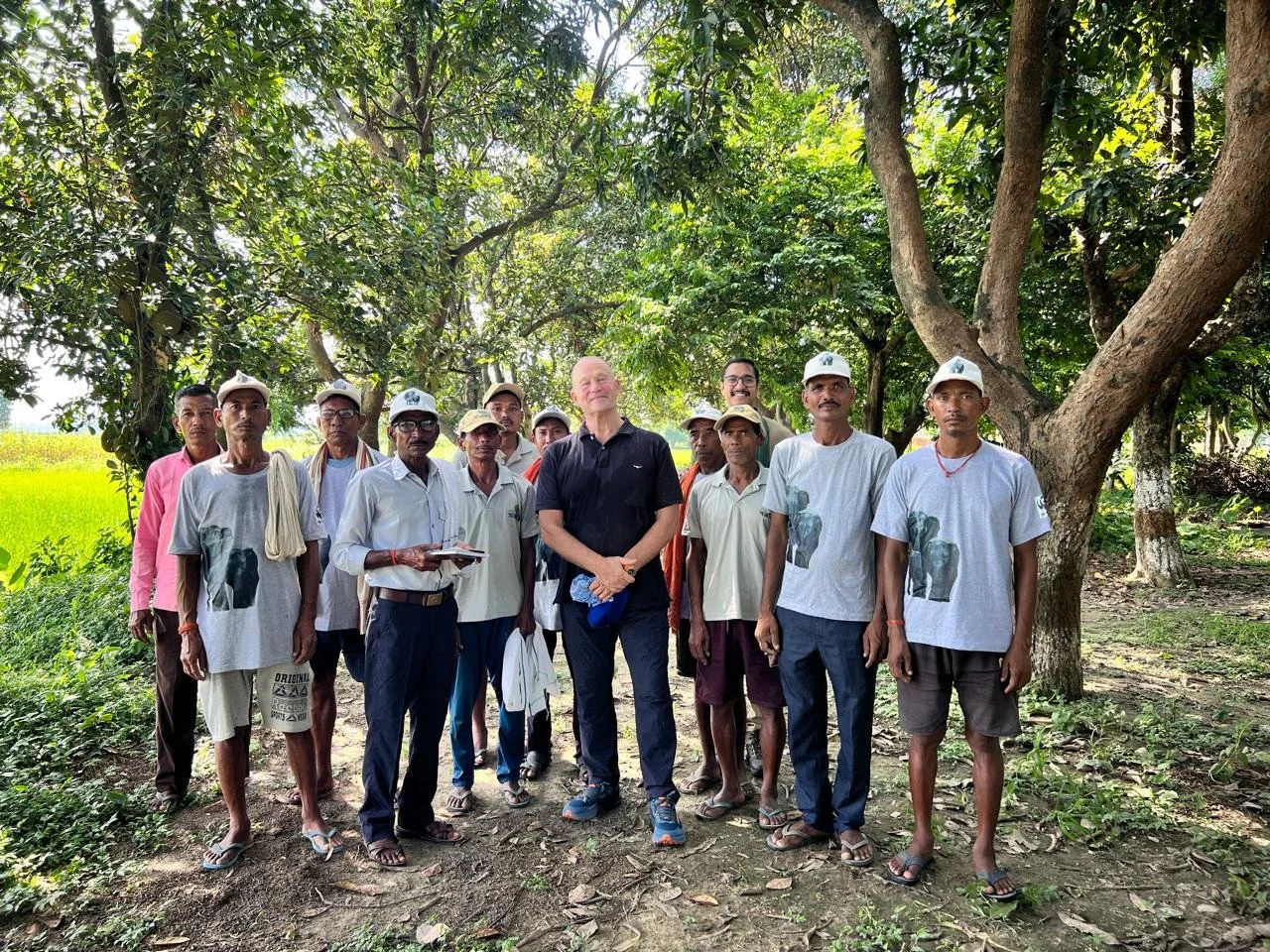
Robert Swan (center) visits the forest and fields of Assam, India, with local residents who have found a balance living with elephants. (Photo courtesy of NTT DATA)

(Robert with World Wildlife’s Nitin Sekar on an elephant observation station in Assam, India. (Photo courtesy of NTT DATA)
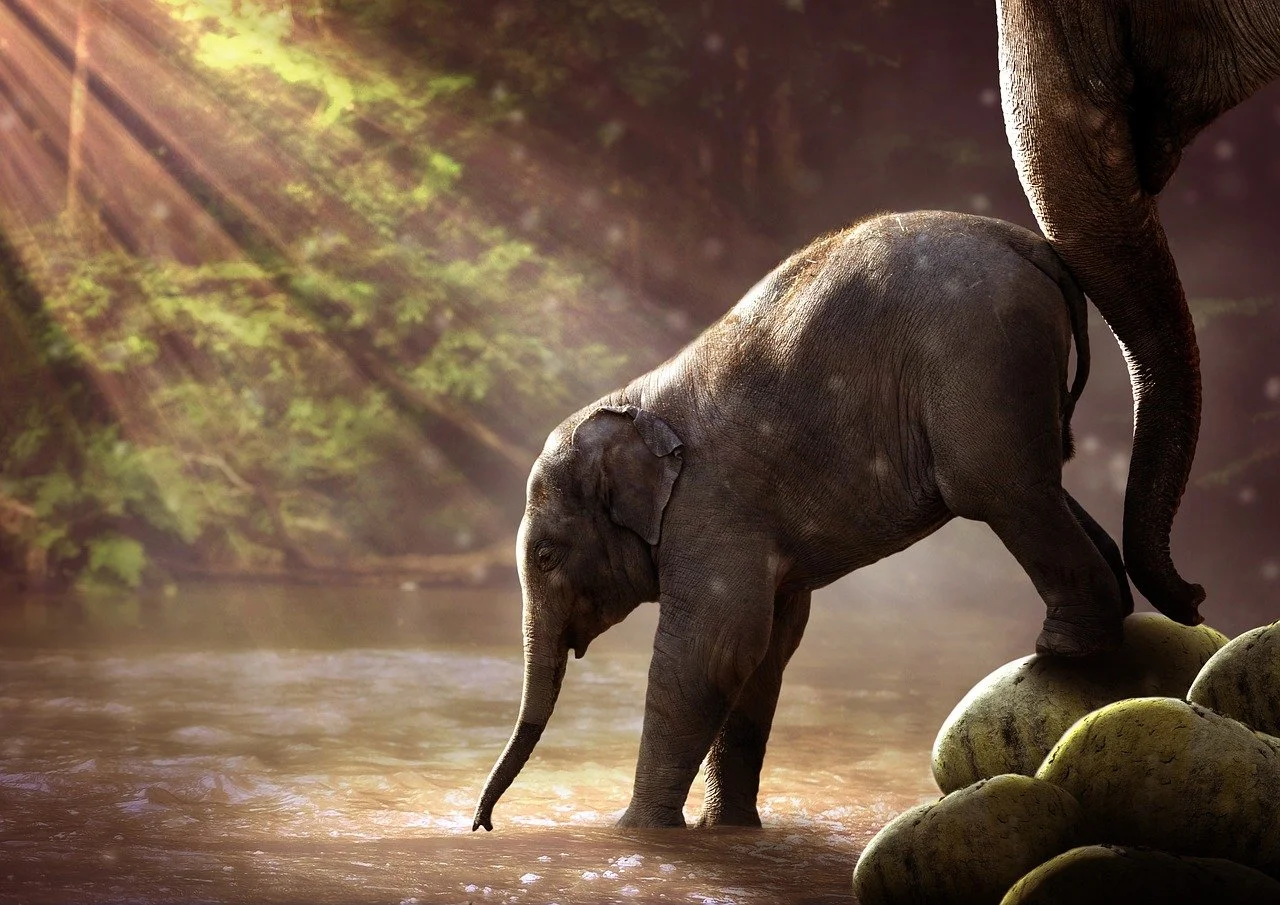
Why it matters: A mother Indian elephant nudges her baby into the water. Intentional creativity makes it possible for wildlife and humans to co-exist and thrive.