
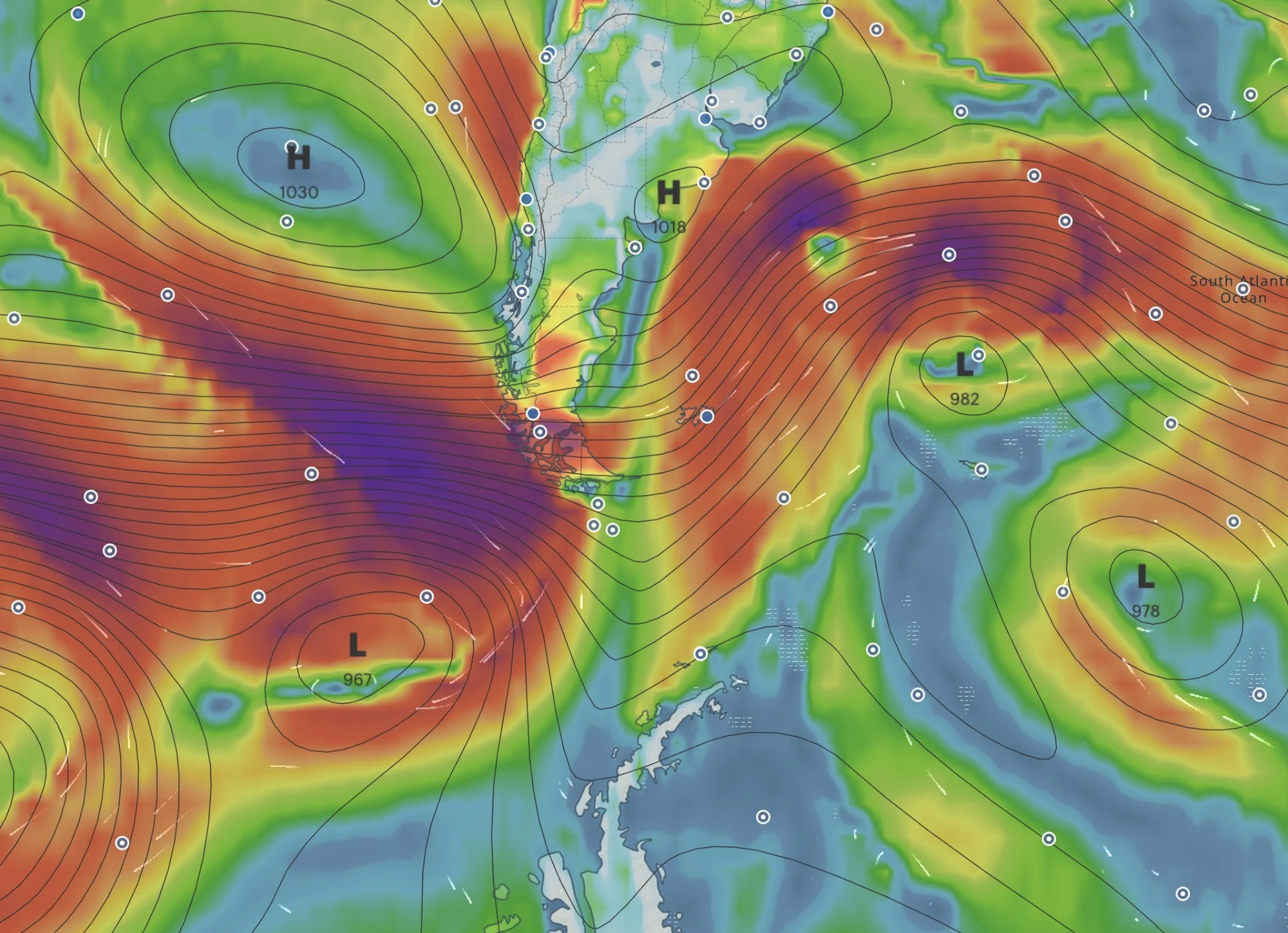
A deep low is building over the Southern Ocean. The weather decides, and today it said go. We depart Punta Arenas at 8pm to fly the Drake Passage ahead of it, to King George Island.
The day began at Explorers House. Boots fitted, then every layer, pack and Velcro strip vacuumed so nothing foreign reaches the ice. Antarctica21 set the rules: five metres from wildlife, take nothing, leave nothing.
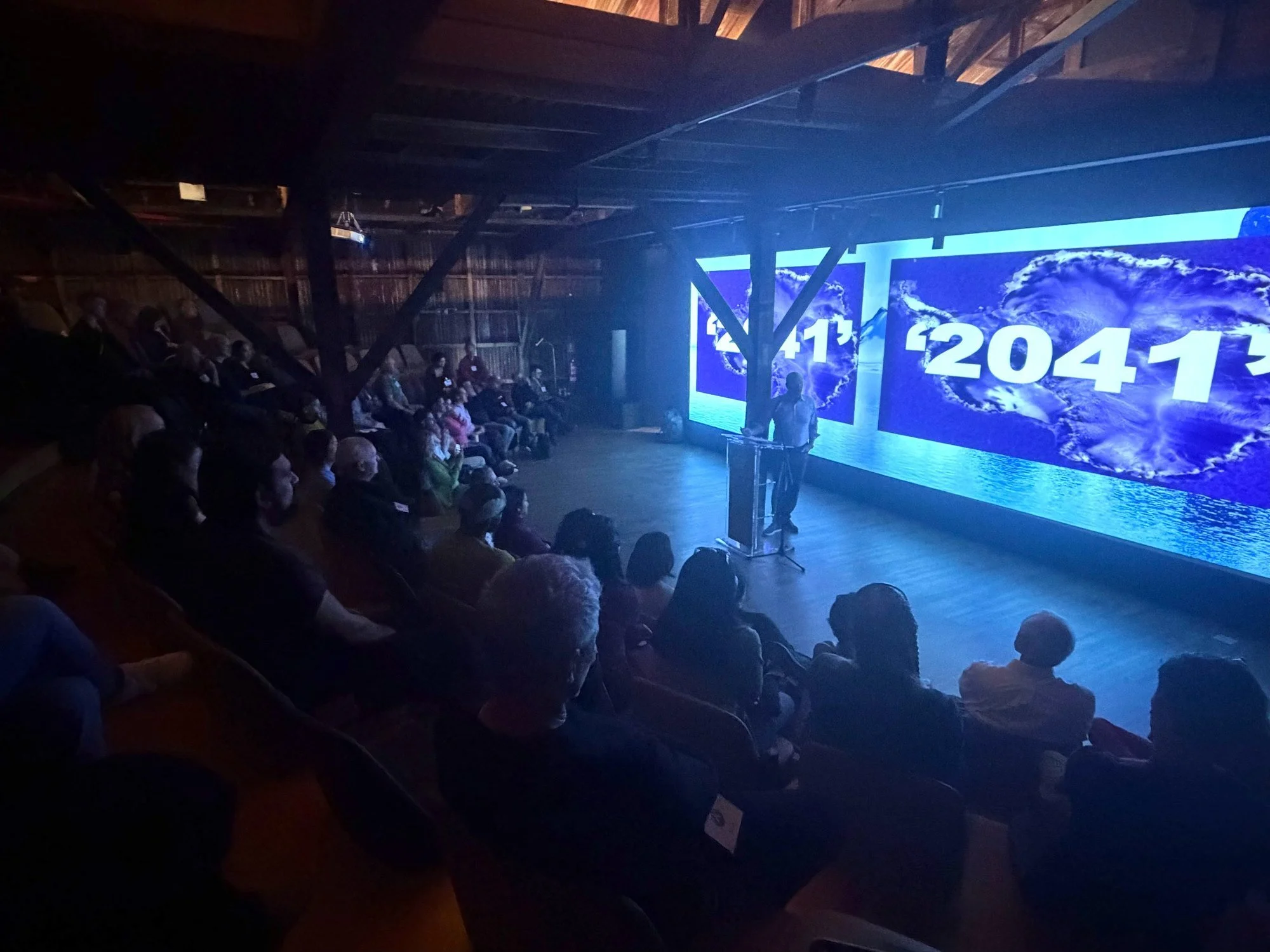
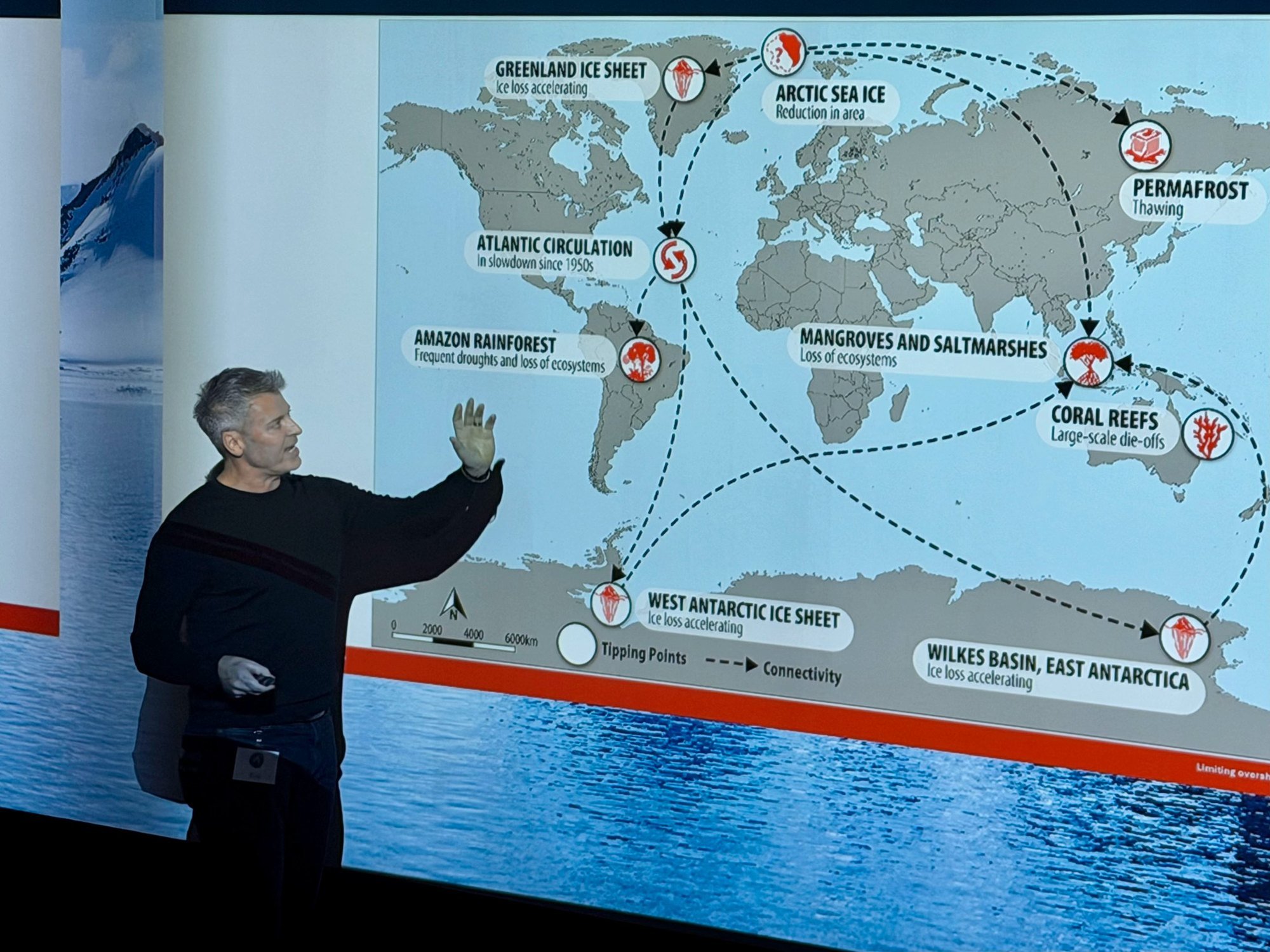
The opening session was held in a historic woolshed, a reminder of the wool years that built this town. Professor Ben Horton of City University of Hong Kong opened with climate reality: what the science says, what it does not, and what is changing fastest. His map put the tipping points side by side, from the ice sheets of Greenland and Antarctica to the Amazon, mangroves and coral reefs, each one pulling on the next. Two of them, mangroves and reefs, are what we work beside at home, where the Daintree meets the Reef.
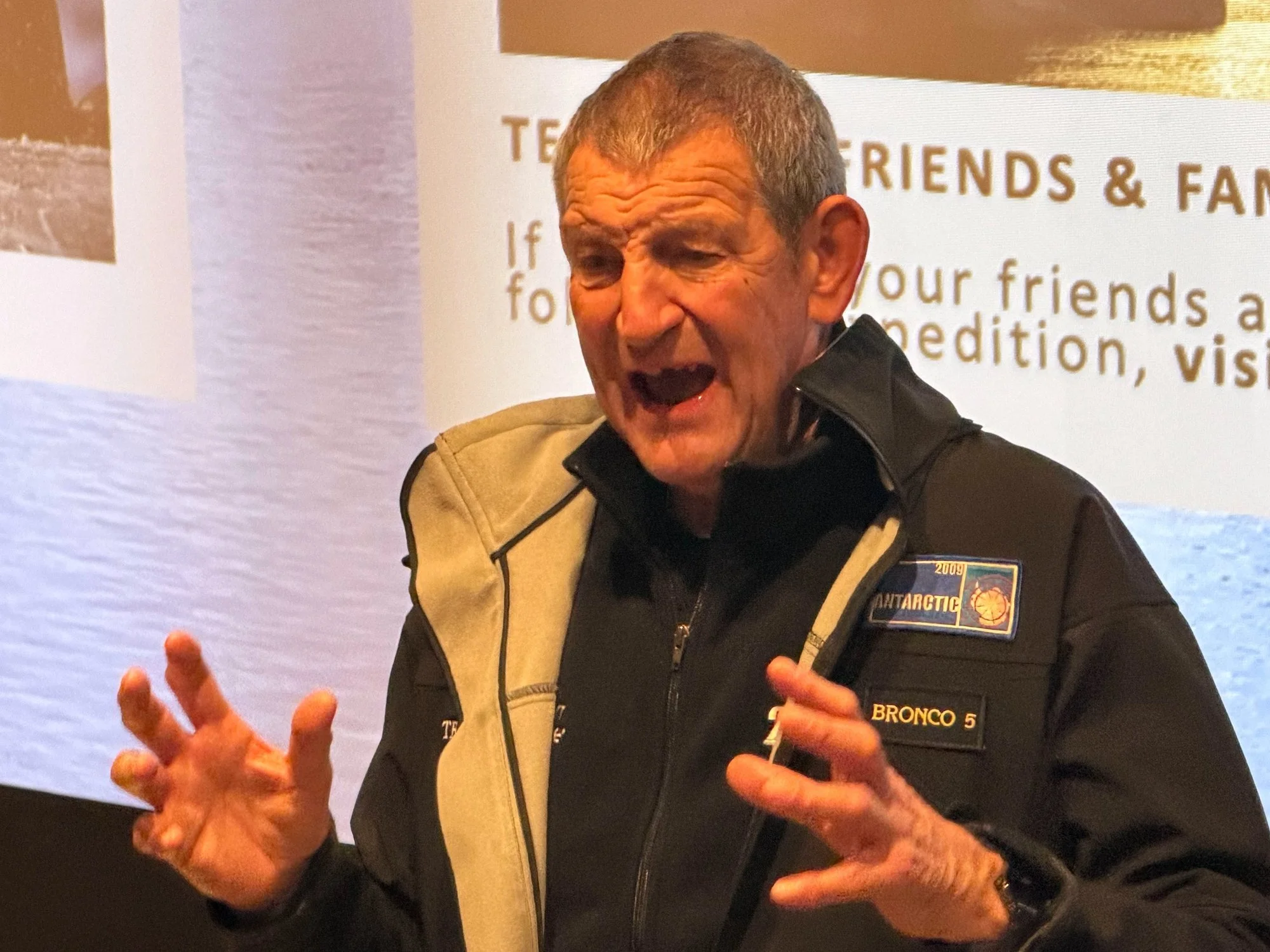
Then Robert. This is his last chartered expedition, after thirty years of taking teams south. It closes one tour and stands as the capstone for all that is ahead.
“The greatest threat to our planet is the belief that someone else will save it.”
Robert Swan
Nobody gets here alone. Magellan felt his way through this strait in 1520, and most of his crew never saw home. In 1843 the schooner Ancud sailed south from Chiloé and its crew claimed the Strait for Chile. In 1916 the tug Yelcho left this port and rescued all 22 of Shackleton’s men from Elephant Island. In 1986 Robert reached the South Pole on foot in the footsteps of Scott, whose party never came home. We cross in two hours what cost them weeks, and sometimes everything.
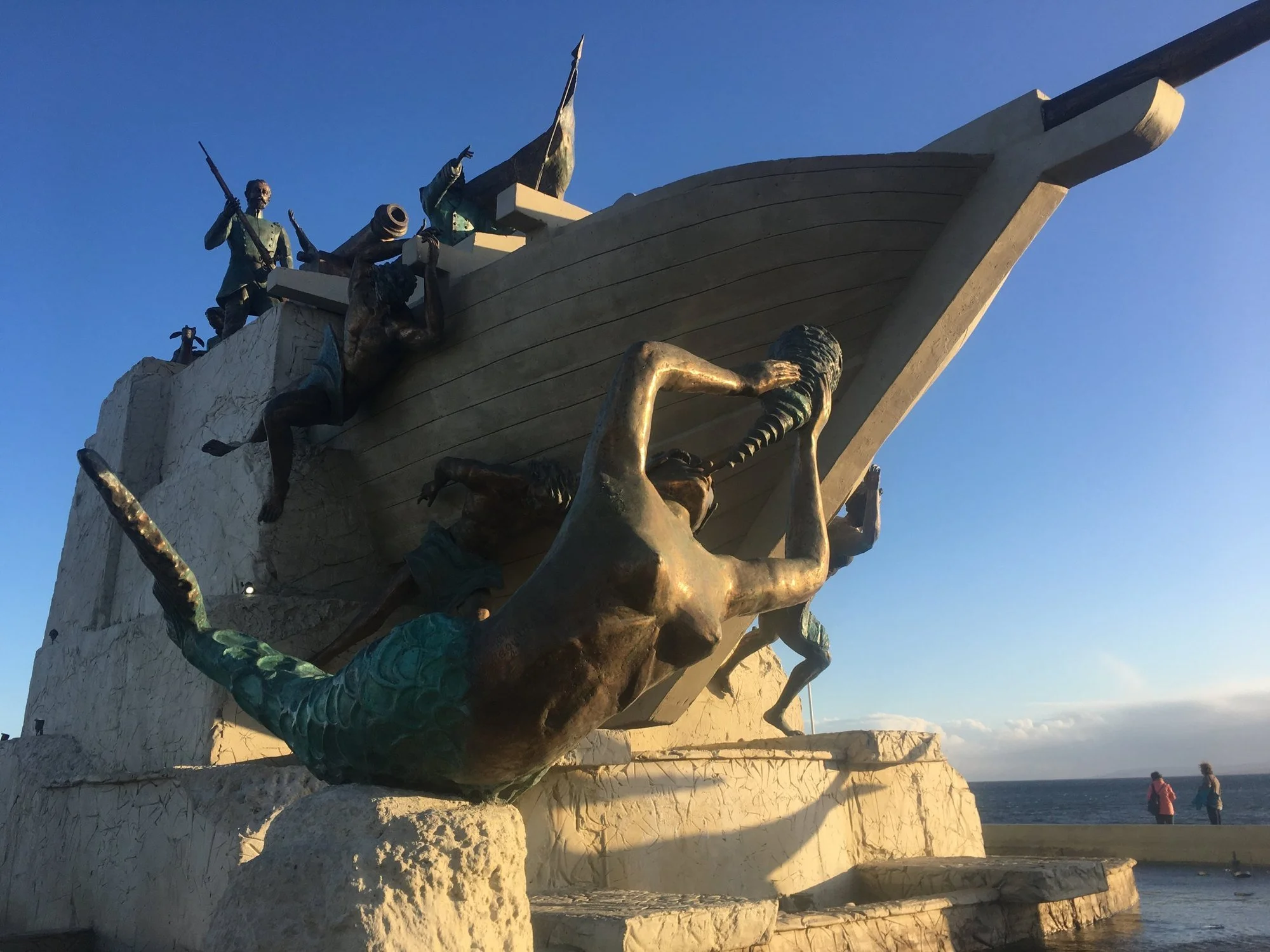
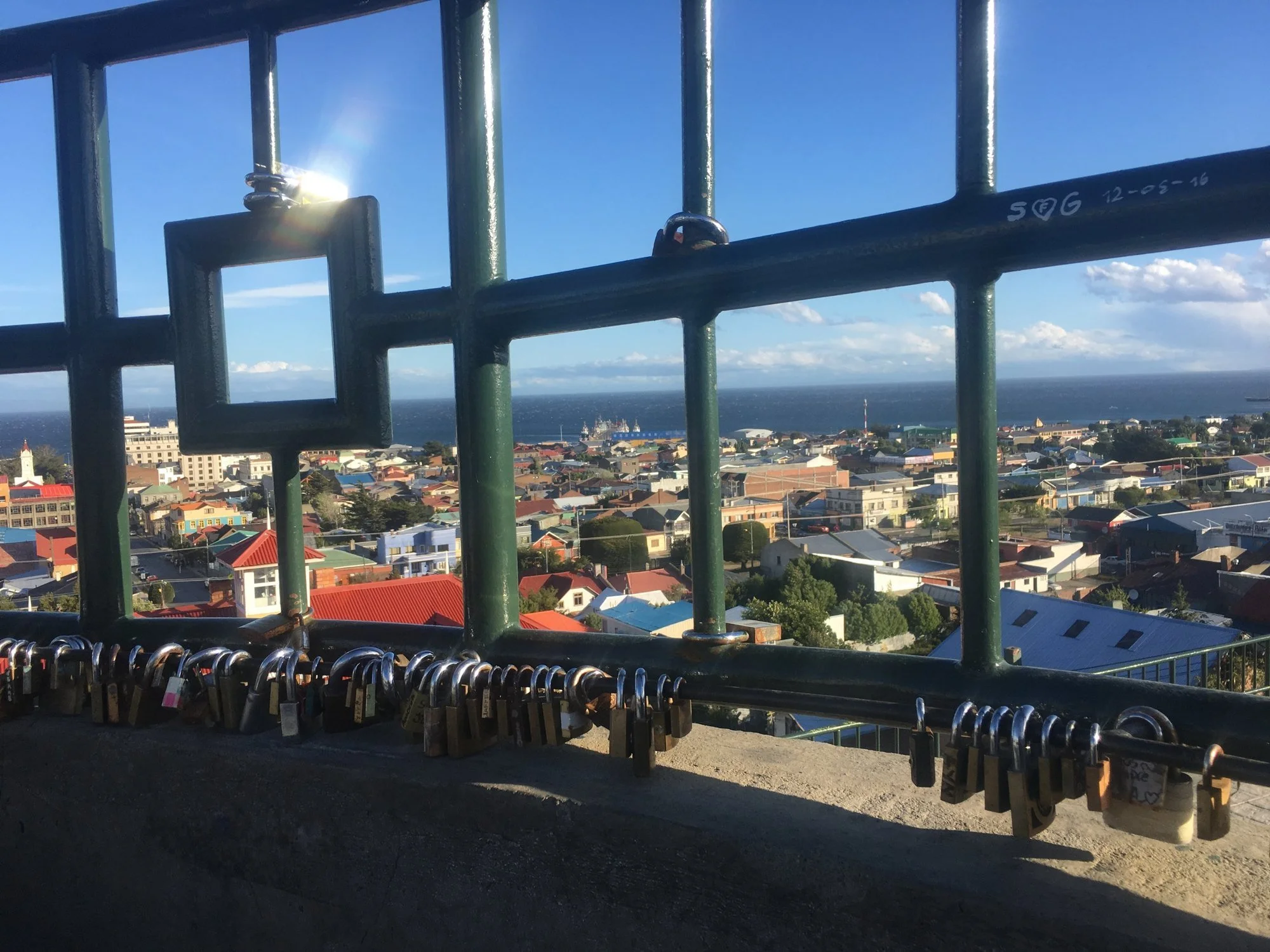
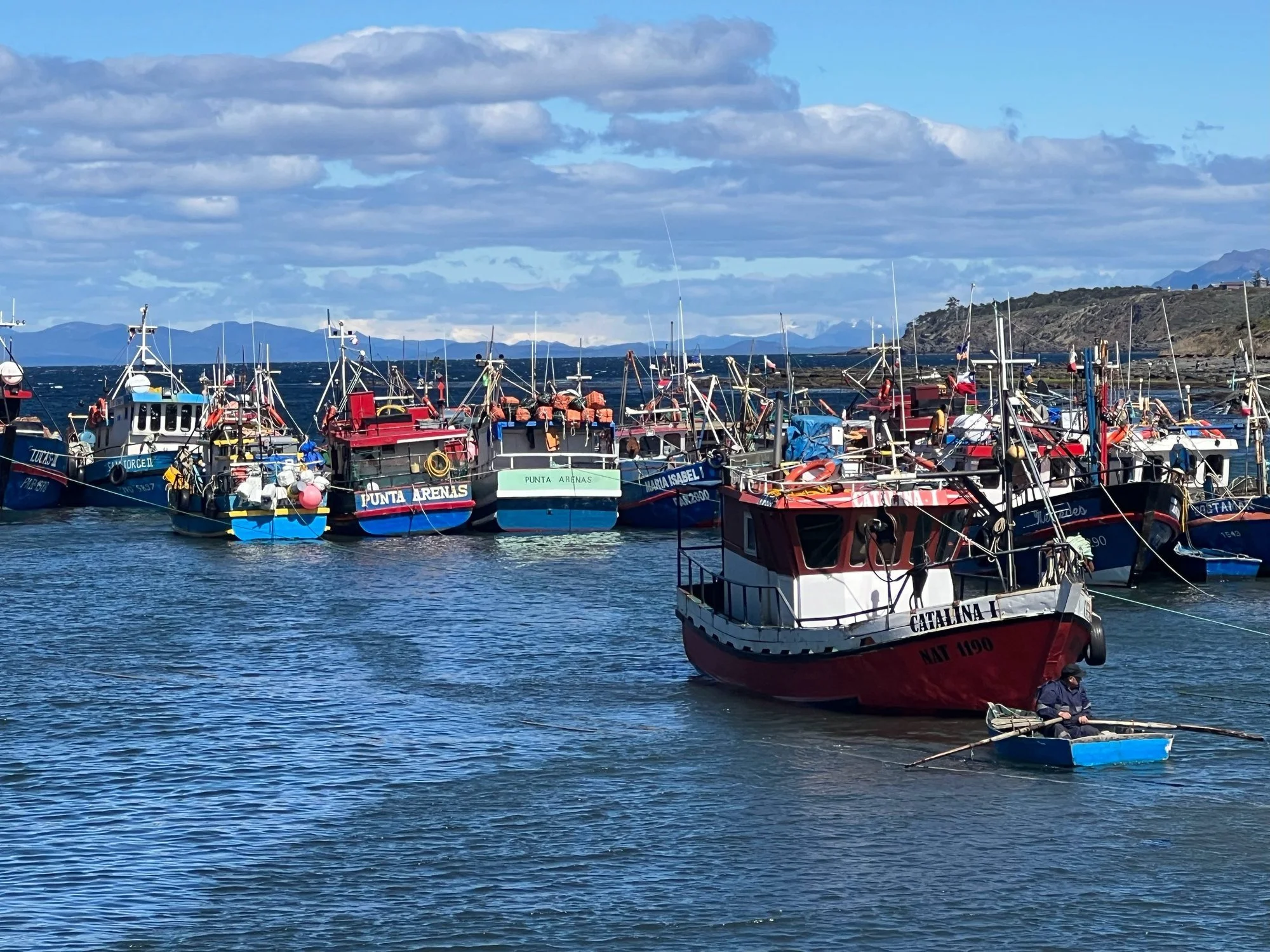
We are not here as tourists. An expedition owes something back: a light footprint on the ice, five trees each growing in the Daintree, and a plan every one of us writes on the ship and carries home.
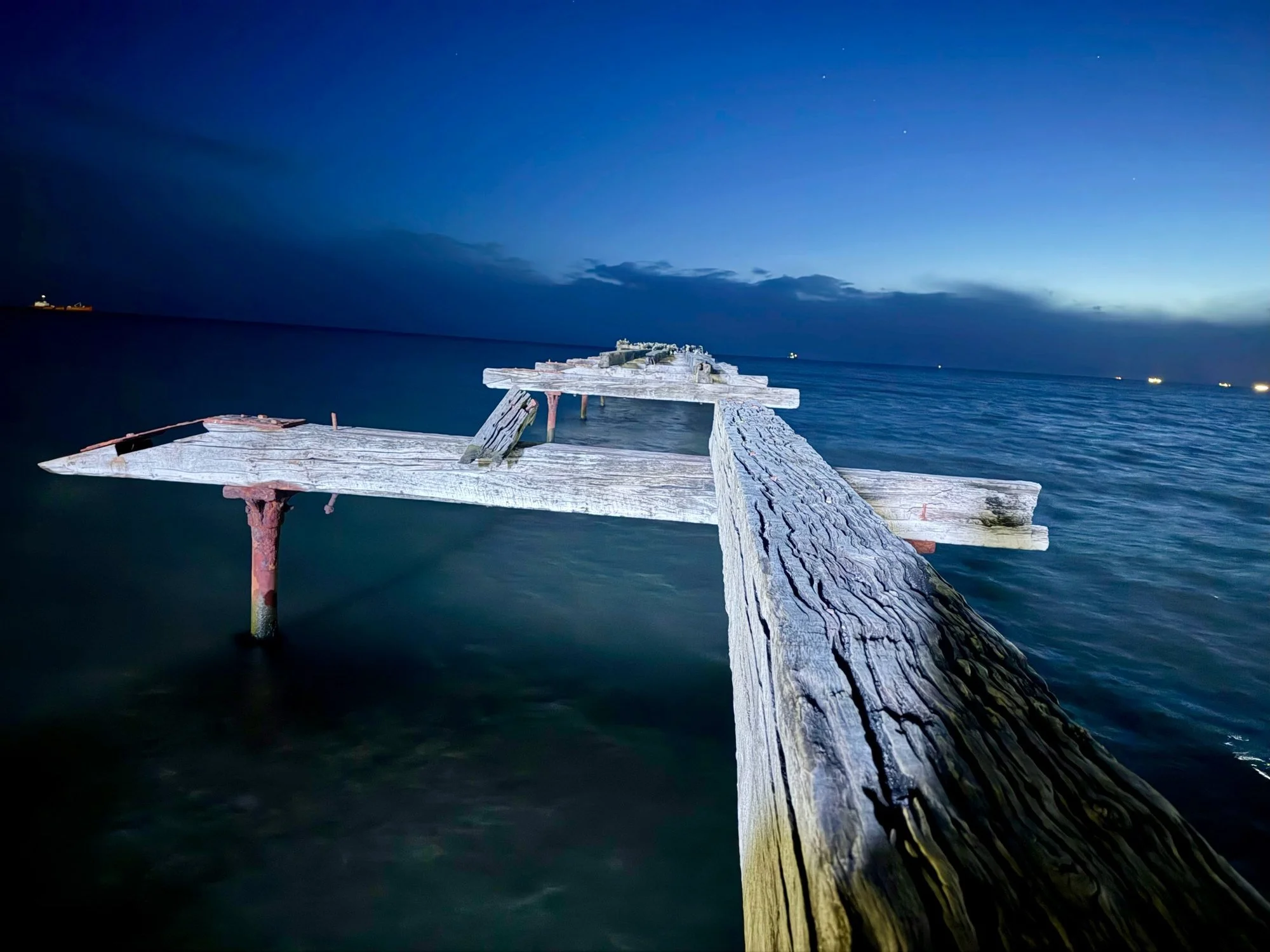
Next: plane to zodiac, then the ship. The next dispatch comes from King George Island, when the satellite allows.